Platform for designing photovoltaic systems: Driving usability improvements through iterative testing
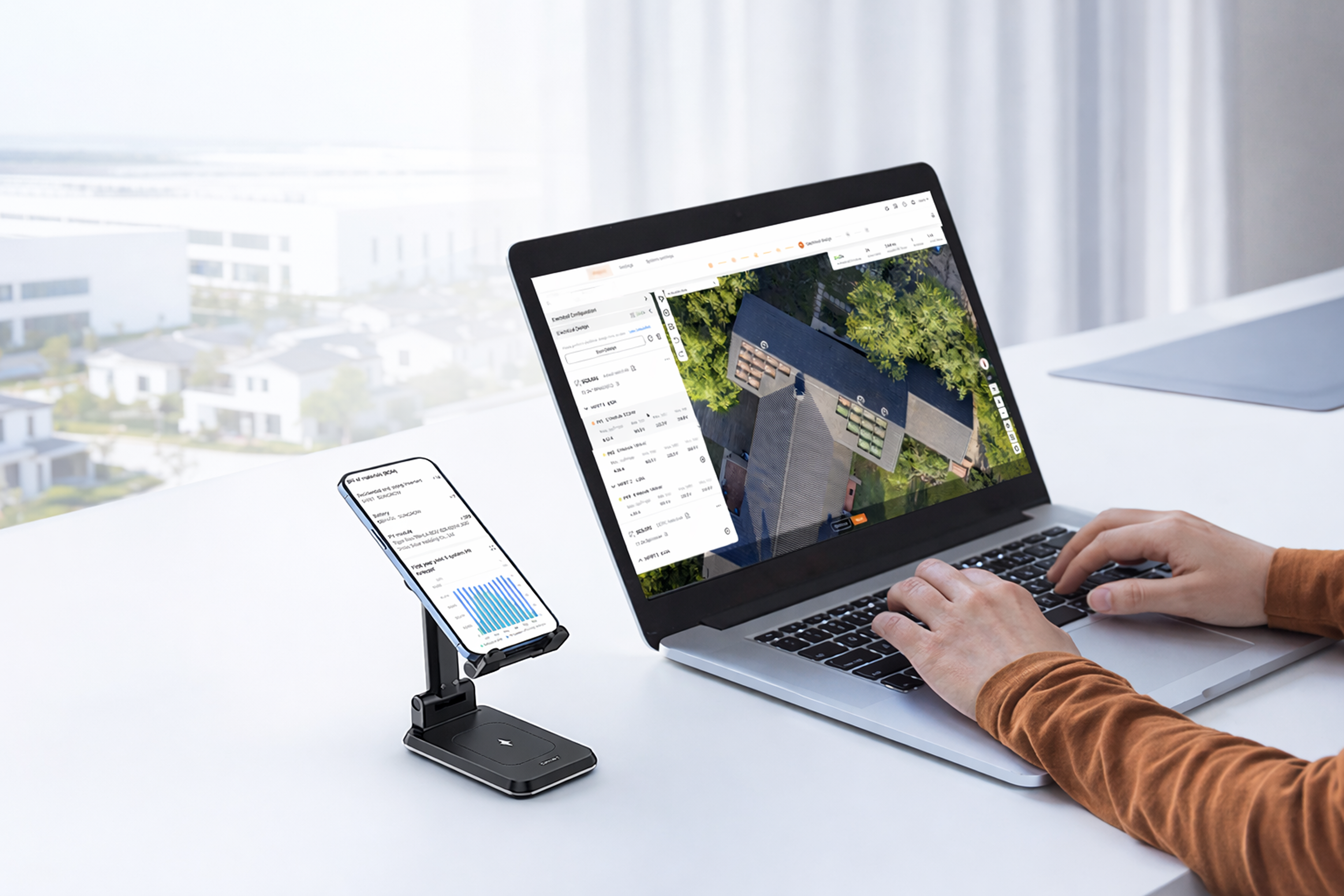
A web-based solar design platform that helps installers and engineers create, simulate, and optimize photovoltaic systems, featuring 2D/3D layouts, electrical configuration, energy estimates, and project reporting.
Overview
Project
Role
Lead UX research in Europe
Timeline
May - Jul 2025
Platform
Wed Plarform (Global version)
Focus
Usability testing, prioritization, solution design
Goals
- Launch an updated version of IsolarDesign with the objective of increasing Net Promoter Score (NPS) and driving deeper product adoption.
- Evaluate usability of critical workflows (plant modeling, module layout, electrical design, and economic analysis) to identify friction and opportunities.
- Improve high-impact features based on user behavior and business priorities.
- Analyze end-to-end user journeys across personas to ensure flows matched real installer needs and supported earlier engagement in the design process.
At a strategic level, the goal was also to shift IsolarDesign from being used mainly at installation time to becoming a core design tool, strengthening product stickiness and influencing hardware purchasing decisions upstream.
Chalenge
- Key features were not fully aligned with real-world installer workflows, creating usability gaps.
- As a free tool serving a global market, IsolarDesign struggled to meet diverse regional requirements with a single experience.
- Many users designed PV systems in competitor platforms and only switched to IsolarDesign to purchase hardware, limiting its role in the high-value design phase.
This required balancing user-centered improvements with business outcomes, prioritizing features that could both reduce friction and increase strategic product adoption.
Market-Ready Experience: Final IsolarDesign Iteration
Next Steps
Chalenge
1. Validate impact with measurable outcomes
Track post-launch KPIs such as NPS, feature adoption (plant modeling, electrical design, economic analysis), task completion rates, and drop-off points across the user journey. Use these insights to confirm whether the redesign is driving earlier engagement in the design phase, not just installation.
2. Establish a continuous discovery loop
Move from project-based research to an ongoing feedback system by combining product analytics, in-app surveys, and regular interviews with installer engineers across key regions. This ensures future iterations stay aligned with evolving market needs.
3. Align roadmap with business strategy
Use insights from this launch to influence the product roadmap, prioritizing features that directly connect user value with commercial impact, such as cost simulation accuracy, design export capabilities, and collaboration features.